Air source heat pumps (ASHPs) are becoming an increasingly popular choice for homeowners across the UK looking for low-carbon, energy-efficient heating. An air source heat pump is a great way to make the switch from fossil fuels to green heating, reducing your carbon footprint and energy bills at the same time. However, despite their benefits, there are still many myths surrounding them that might be holding some people back from making the switch. In this blog, we'll set the record straight and debunk some of the most common myths and misconceptions about heat pumps.
Myth 1: Air source heat pumps don’t work in cold weather…
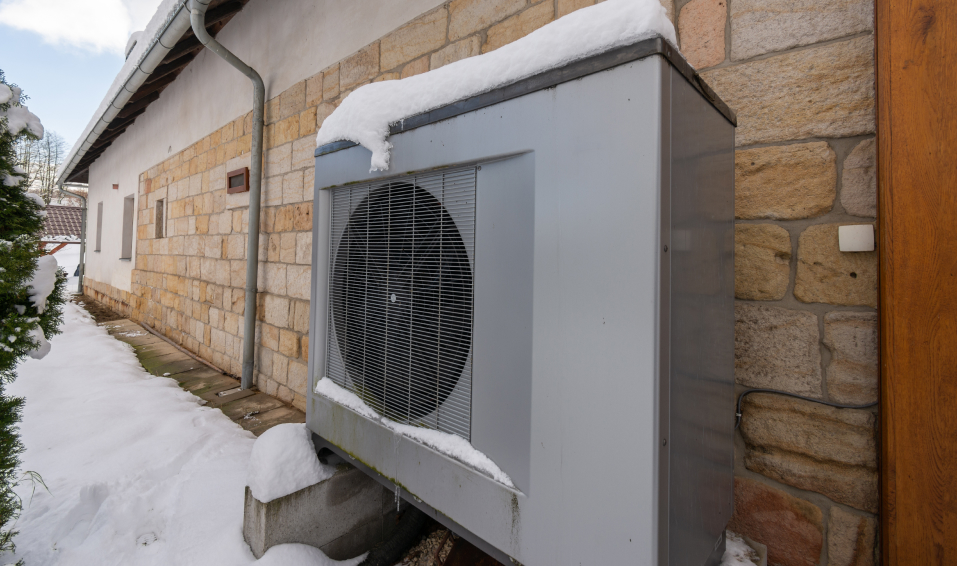
Reality: Air source heat pumps are designed to handle all types of weather, even the cold. As the outside temperatures drop, the heat pump efficiency will gradually reduce; however, they're still capable of working well when temperatures are as low as -25°C. Notoriously cold countries like Norway, Sweden, and Finland have embraced ASHP technology for decades, proving that heat pumps can reliably serve homes through even the most challenging winter conditions. In fact, heat pumps run most efficiently at temperatures down to around minus 2 as there is less moisture in the air.
Myth 2: Heat pumps are noisy…
Reality: Not the case! An air source heat pump is no louder than a fridge. Nearly a third of people believe that heat pumps generate excessive noise, but this isn't the case. Heat pumps are designed to be as quiet as possible, and their noise levels are comparable to those of kitchen appliances. The impact of this low-level noise is then reduced further when you remember that heat pumps are installed outside your home.
Myth 3: Air source heat pumps are too expensive to install…
Reality: Though the initial cost can be high, heat pumps offer long-term energy savings, making them a worthwhile investment. There are government heat pump grants that can make the initial cost much more manageable. The Boiler Upgrade Scheme (BUS) of up to £7,500 is a gamechanger that brings down the cost of getting a heat pump. The Government’s Boiler Upgrade Scheme has made a total of £450 million available for supporting households to switch to greener heating. After the government grant, the cost of a heat pump can start from as little as £3,999. Not too dissimilar to the cost of a new boiler.
Myth 4: Heat pumps are more expensive to run than gas…
Reality: Air source heat pumps can actually help you save money on your bills. In fact, the Energy Saving Trust estimates that it could save you up to £1,300 per year on heating your home depending on your current heating source. Heat pumps are more energy efficient than conventional systems as they move existing heat rather than burning fuel to generate new heat, which means you'll lower your carbon footprint, and you may save money on your energy bills.
Myth 5: You need planning permission to install heat pumps in your home…
Reality: Most air source heat pump installations don’t need planning permission unless the property is listed or in a conservation area. Air source heat pumps typically fall under 'permitted development right', so in most cases, homeowners can install them without planning permission, provided they meet the Microgeneration Certification Scheme Planning Standards (MCS).
Myth 6: Air source heat pumps are not compatible with older homes; they’re only for new build houses…
Reality: Air source heat pumps can be installed in new as well as old homes providing the home is properly insulated. In fact, it doesn’t matter whether a property is old or new, what really matters is keeping the level of heat loss to a minimum. Heat pumps offer a great solution for upgrading older or outdated heating systems in your home.
Myth 7: Air source heat pumps take up too much space…
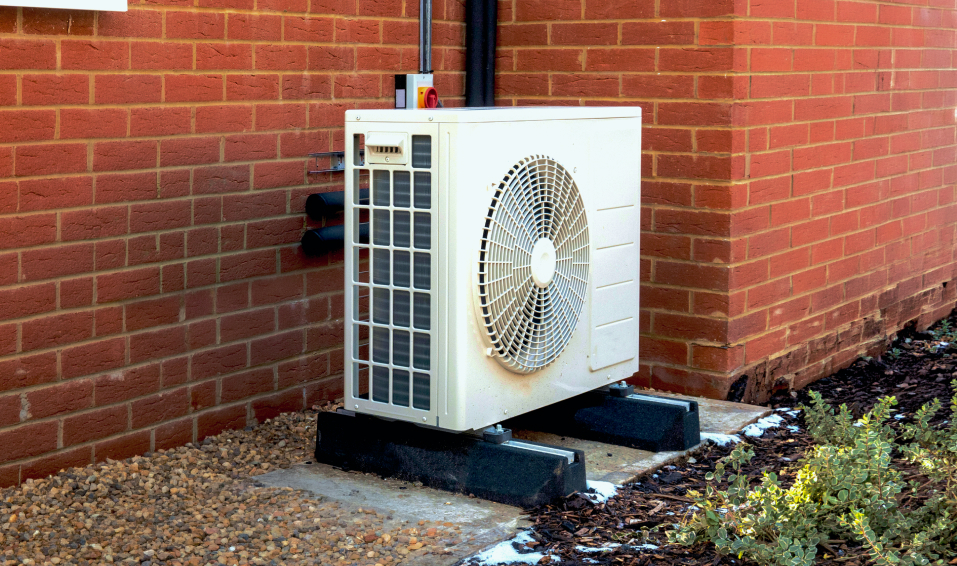
Reality: All heat pumps are installed outside the home and take up less space than a standard wheelie bin. It will need to be placed in a location with good airflow that is easily accessible for maintenance. This often means on the ground at the rear of the property, although they can also be hung to the outside wall of your home.
Myth 8: Heat pumps won’t work with existing radiators and underfloor heating…
Reality: Heat pumps work effectively with radiators and are compatible with underfloor heating too, however some older radiators may need upgrading. The flow temperature for an air source heat pump is lower than a traditional heating system. You may find that your existing radiators are already big enough to emit enough heat at this lower flow rate, but you may need to replace some of them with radiators with a larger surface area. But don’t worry, if you don't want to change your radiators, you could opt to install a high temperature heat pump. High temperature heat pumps are designed for older and/or smaller radiators as they use higher water temperatures.
Myth 9: Air source heat pumps can’t give hot water…
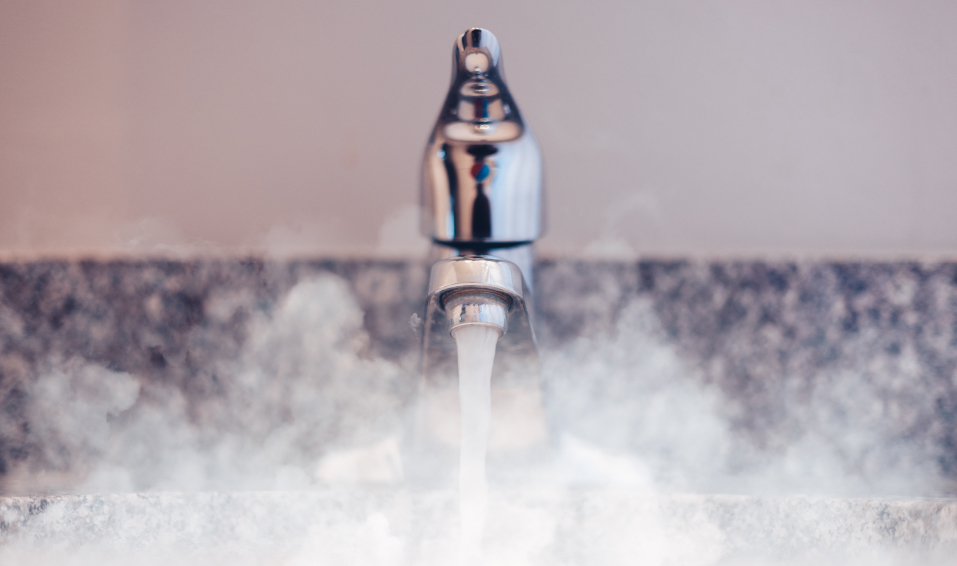
Reality: Heat pumps can heat water using a hot water cylinder! Whether a heat pump can heat water depends on the type of heat pump you install. An air source heat pump also known as an 'air-to-water heat pump' can heat water. However, unlike a combi boiler, an air source heat pump doesn't supply hot water on demand. You'll need a way of storing hot water for when you need it, like a hot water cylinder. The heat pump works by transferring heat from the outside air to the water in the cylinder. If you don't have room for a hot water cylinder, you could opt for a hybrid system that combines a heat pump for heating with a boiler that provides hot water on demand.
Air source heat pumps are not the noisy, expensive, impractical systems people assume them to be. Instead, they’re a proven technology already helping thousands of UK households transition to low-carbon heating. So now that we’ve cleared that up and set a few myths straight it’s easy to see why homebuilders are making the switch to ASHP’s. They are a reliable, efficient, and environmentally responsible heating solution for your property.